Table of Contents
- What is the Neurodevelopmental Continuum Definition and Examples?
- What are the Differences Between Neurodevelopmental Spectrum and Continuum?
- Environmental Factors Influencing Neurodevelopmental Continuum
- Neurodevelopmental Continuum and Learning Differences
- How to Support Development Across the Neurodevelopmental Continuum
- Parental Guide to the Neurodevelopmental Continuum
- How Can You Guide Your Child's Journey?
Did you know that right now, close to one in six children in the United States has a brain development challenge? That means 17% of all kids struggle with how their brains grow and learn. Even worse, if you wait too long to get help, your child could fall behind in school and life forever. Almost 24% of kids with public health insurance get diagnosed with a brain condition by age eight. If your child is struggling today, every single second counts. You cannot let your child get left behind. You must take action right now to help them thrive. We want you to book an online visit with Dr. Michael Zizmor, MD, at Zizmor Zeabur App today. We are talking about the neurodevelopmental continuum. Let us explore how your child's brain works so we can help them succeed.
What is the Neurodevelopmental Continuum Definition and Examples?
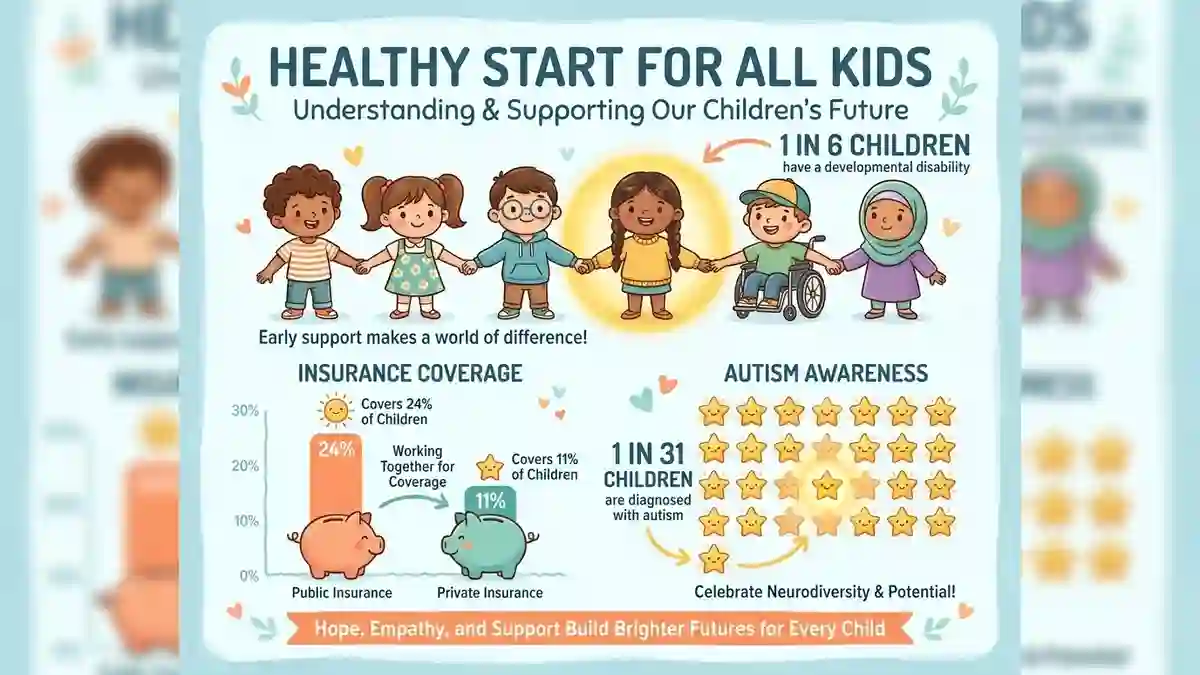
Let us make these big words easy to understand. "Neuro" means your brain and its wires. "Developmental" means how things grow over time. A "continuum" is like a long, smooth playground slide. It has no steps or sharp breaks.
The neurodevelopmental continuum is a framework for understanding how children's brains develop. In the past, doctors used strict, separate boxes for kids. They said you either have a disorder or you are perfectly normal.
Now, we know that brains do not fit into neat little boxes. Instead, every child sits on a smooth, sliding scale of brain growth.
Let us look at some common examples of conditions on this slide :
- ADHD: This affects how you focus and how well you sit still in class.
- Autism: This affects how you talk, play, and connect with other people.
- Dyslexia: This is a learning difference that makes reading words a bit tricky.
- Cerebral Palsy: This affects how your brain talks to your muscles so you can move.
All of these are just different stops along the same big brain slide.
Understanding the Neurodevelopmental Continuum in Early Childhood
Your child's brain grows faster during early childhood than at any other time in life. This growth starts long before birth. It continues until they become young adults.
During these early years, the brain is like soft modeling clay. It is very easy to shape.
Sometimes, a child's brain wiring develops along a slightly different path. You might see tiny clues when they are very young. Perhaps your child starts speaking later than other kids. Perhaps they struggle to catch a ball or hold a crayon.
These clues do not mean your child is broken. They just mean your child is on a unique path on the early childhood slide. We must find these differences early so we can support them.
How Can Research on the Neurodevelopmental Continuum Framework Help Us?
Top scientists at places like Harvard and Oxford have studied the brain slide for years. They looked at the DNA of millions of children. DNA is the tiny instruction booklet inside our cells.
The research shows us something amazing. ADHD, autism, and learning challenges share the very same genetic building blocks. They are not completely separate diseases.
Instead, they all sit on one big, connected brain map. One child might have more trouble focusing. Another child might struggle with social cues.
But deep down, their brains share the same genetic family tree. This research helps us treat children as unique people, not just labels.
What are the Differences Between Neurodevelopmental Spectrum and Continuum?
Many people think a spectrum and a continuum are the same thing. But they are actually very different. Let us make this easy to picture.
A continuum is like a single line. Think of the volume knob on your car radio. You can turn it up or down. It changes only one thing: how loud the music is.
A spectrum is like a giant music soundboard. It has dozens of different sliding knobs.
One knob is for how loud the music is. Another knob is for how high or low the pitch is. Another knob is for the bass.
You cannot say a song is just "high" or "low". The song is a beautiful mix of all those knobs together.
Autism and ADHD are spectrums. They are made of many different knobs, such as focus, sensory, and speech.
Your child has their own unique set of knob levels. This is why we cannot use simple, lazy labels like "high-functioning" or "low-functioning".
What are the Examples of the Neurotypical Development Continuum?
People without any medical diagnoses also live on this big brain slide. We call these people neurotypical. Their brains grow in a common, expected way.
But neurotypical people still have their own unique brain traits. For example, some typical kids are very quiet and shy. Other typical kids get upset when their daily routine changes.
These same traits are driven by the genes linked to autism. Everyone carries these genetic pieces.
So, typical development is not a flat, perfect line. It is its own sliding scale. We are all part of the same diverse human family.
Environmental Factors Influencing Neurodevelopmental Continuum
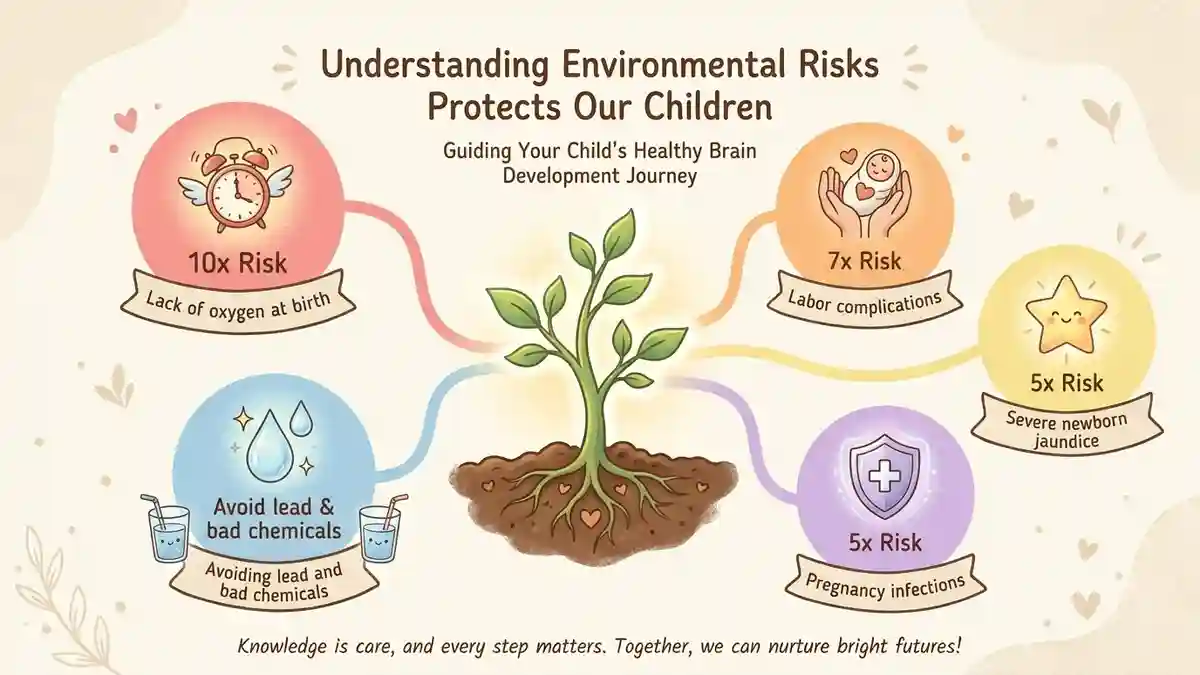
Your child's genes are only half of the story. The world around your child shapes their brain every day. We call these external forces environmental factors.
These factors can change how your child's brain wires connect. This can happen while a baby is still in the womb, or during early childhood.
For example, breathing polluted air or drinking water contaminated with chemicals can harm a developing brain. Lead is a toxic metal that damages brain cells.
If a family lives in a poor neighborhood, they might face more of these dangers. Also, birth complications can affect how a baby's brain develops.
Let us look at how different environmental risks can impact your child's development.
Neurodevelopmental Continuum Disorders and Challenges
Living with these brain differences can cause real-world challenges for your child. These challenges show up at home, in class, and on the playground.
For example, a child with ADHD may find it physically painful to sit still in a chair. They might get yelled at by teachers constantly. This can make them feel bad about themselves.
A child with autism might find it hard to make friends. They might not understand the unwritten rules of playground games.
Many children face more than one of these challenges at the same time. A child can easily have both ADHD and autism. This can make them feel like a war is going on inside their own head. We must understand these challenges so we can help them heal.
Neurodevelopmental Continuum and Learning Differences
Every single child learns differently. The brain slide shapes how kids take in and process information.
We must stop thinking of learning differences as broken parts. They are just different ways of looking at the world.
For instance, a child with autism might be incredibly good at remembering facts. But they might struggle to work on a busy group project.
A child with ADHD might be amazing at fast, creative thinking. But they might struggle to sit down and read a long book.
Brain network connections cause these differences. The brain has pathways that carry messages. In some kids, these pathways have different speed limits and routes.
We must build schools and homes that fit these unique brain pathways.
Implications of Neurodevelopmental Continuum for Education
Our current school systems are built for only one type of brain. This causes huge, unnecessary stress for neurodivergent kids.
We must change how we teach our children. Instead of making every student do things the same way, we must offer choices.
This is called universal design. For example, we can let kids listen to audiobooks instead of only reading paper books. We can let kids stand up or use quiet fidget toys during a lesson.
When we change the school environment, kids stop feeling like failures. They start to enjoy learning again. We must advocate for these changes in every classroom in America.
How to Support Development Across the Neurodevelopmental Continuum
How can we help your child thrive and be happy? Support must be tailored to your child's exact mix of brain traits.
We cannot use a simple label to decide how to help a child. We must look at the whole child.
This means helping them with their struggles while celebrating their natural strengths. We must provide a safe, loving, and predictable space for them to grow.
Let us look at the best ways we can support your child today.
Early Intervention Strategies for Neurodevelopmental Continuum
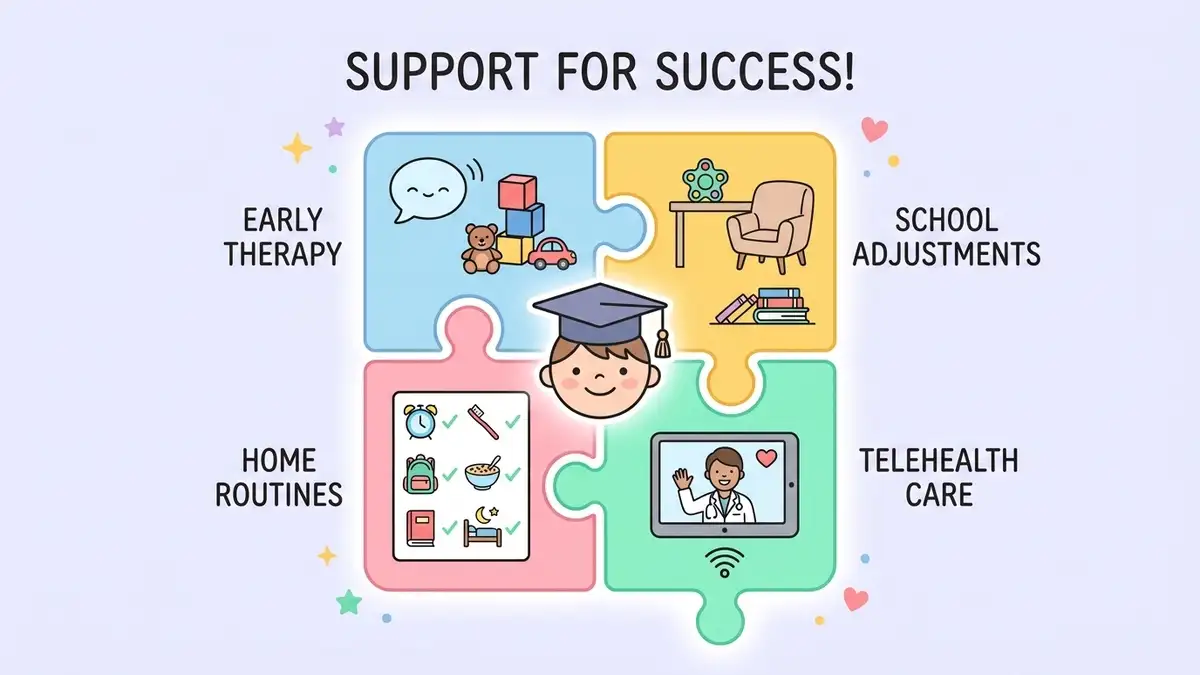
Do not wait for your child to fail before you seek help. Early intervention is the most powerful tool we have.
The young brain is highly plastic. This means it can easily build new pathways around areas of struggle.
If you notice small developmental delays, you must act immediately. Work with specialists to set up speech, movement, or play therapies.
These early steps can completely rewrite your child's future. It keeps them from falling behind and feeling left out. You must take action today to protect your child's tomorrow.
Assessment Tools for Neurodevelopmental Continuum
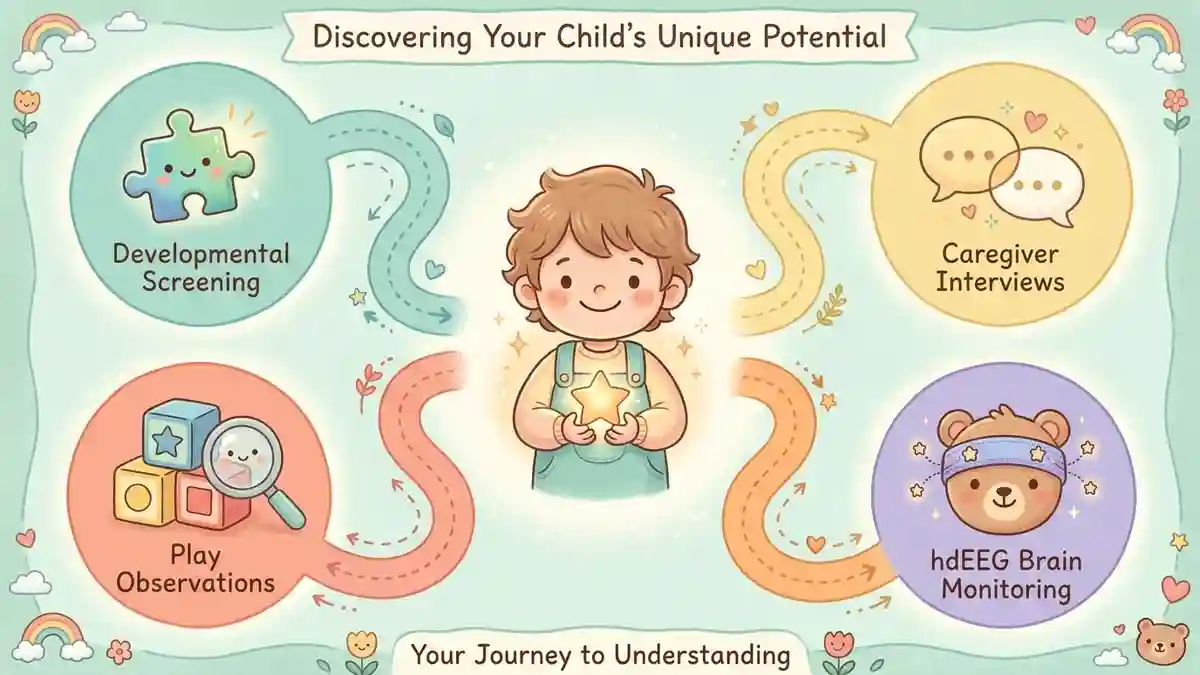
How do we map your child's unique brain slide? Experts use specialized assessment tools.
These are not scary, stressful exams. They are friendly puzzles, games, and questions.
- Developmental Screening Tests: Quick, fun checks to see if your child is hitting their growth milestones.
- Caregiver Interviews: Conversations with parents and teachers to understand daily life.
- Structured Play Observations: Watching how your child plays with toys and other kids.
- High-Tech Brain Monitoring: Safe, painless tools like hdEEG that watch brain waves in action.
These tools help us see your child's unique strengths and needs.
Therapies for Supporting Neurodevelopmental Variations
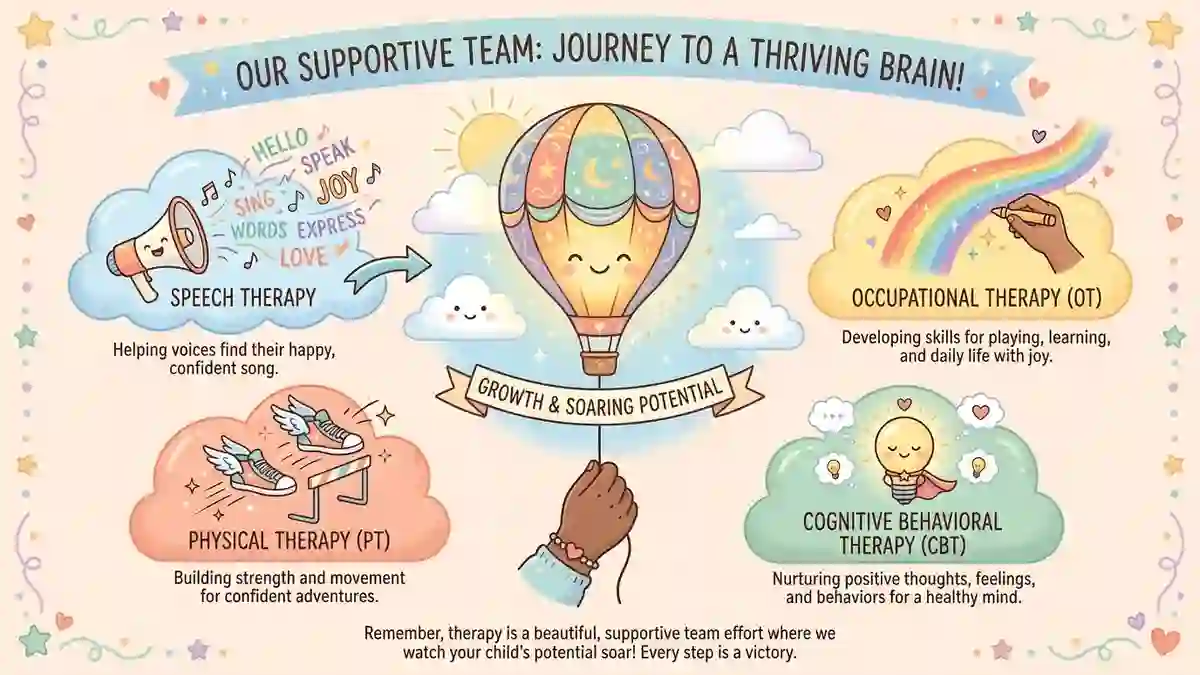
There are many wonderful therapies available to help your child today. We must choose the perfect mix for your child.
- Speech and Language Therapy: Helps your child speak clearly and express their thoughts.
- Occupational Therapy (OT): Helps with handwriting, buttoning shirts, and managing sensory overload.
- Physical Therapy (PT): Helps with balance, running, and physical strength.
- Cognitive Behavioral Therapy (CBT): Helps older kids manage big feelings, worries, and stress.
Our dedicated team works together to make sure your child gets the exact support they need.
Parental Guide to the Neurodevelopmental Continuum
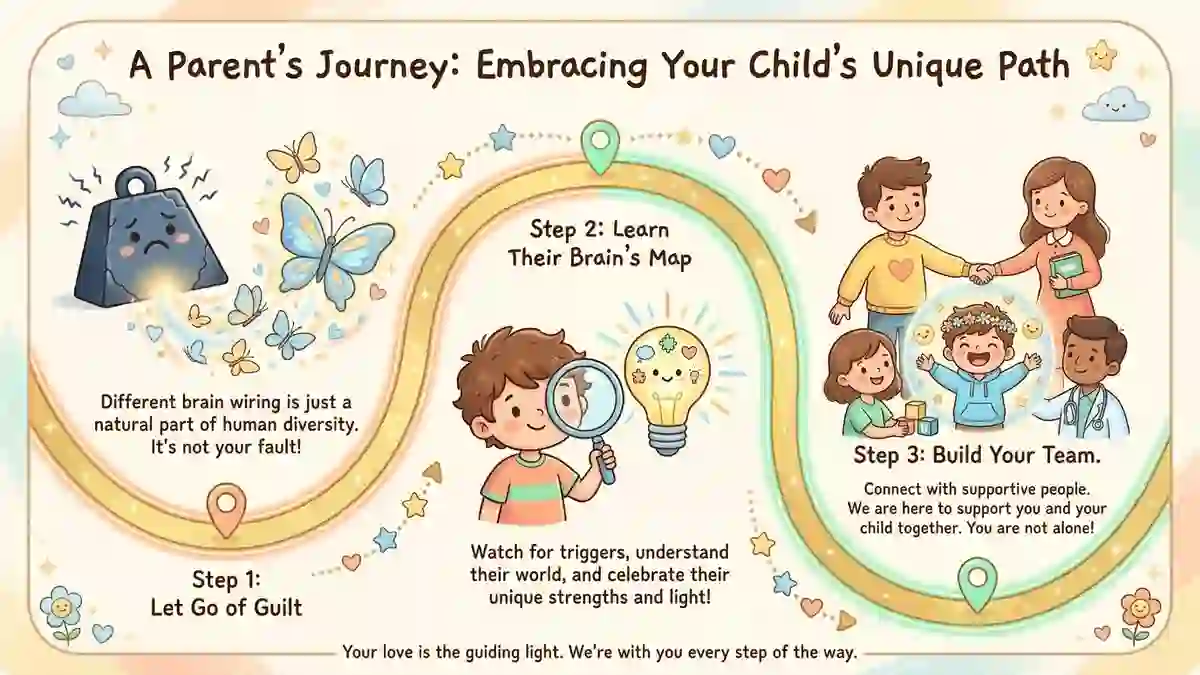
As a parent, you are your child's ultimate protector and hero. You hold the key to their happy future.
First, you must let go of any guilt. Different brain wiring is not your fault. It is just a natural part of human diversity.
Second, you must learn how your child's unique brain works. Watch what triggers their stress. Celebrate the things they love and do well.
Third, build a strong support team. Find therapists, teachers, and doctors who understand the brain slide. You are not alone on this journey. We are here to support you.
Professional Development for Neurodevelopmental Continuum
Doctors and teachers also need to keep learning. They must go through professional development.
We must teach school staff how the brain slide works. Teachers must learn to look past "bad behavior" in class. They must realize that a squirming child is just trying to calm their nervous system.
When professionals receive this modern training, schools become safe harbors for our kids. We must demand this training for all educators in our communities.
How Can You Guide Your Child's Journey?
Your child's brain is growing right now. Every single day you wait is a missed chance to help them shine.
Do not let fear or confusion keep you from getting answers. We have the tools and support you need.
Dr. Michael Zizmor, MD, is a compassionate mental health specialist. He offers friendly and easy online telehealth consultations.
He will help you map your child's unique brain slide on the neurodevelopmental continuum. He will design a custom care plan that fits your family's daily life. You can access his expert medical advice from the comfort of your own living room.
Take charge of your child's happiness today. Visit zizmor.zeabur.app right now to book your online consultation! Let us help your child thrive together.
FAQs
Can girls have these brain differences?
Yes. But doctors often miss the signs in girls because they hide their struggles. Your daughter might suffer in silence right now. You must act immediately. Call Dr. Zizmor at zizmor.zeabur.app today before her pain gets worse.
Do these brain challenges last forever?
No. While some traits stay, early help can completely change your child's life. Do not let their growing brain suffer alone. You must seek support today. Contact us at zizmor.zeabur.app right now to save your child's future.
Are these brain differences only genetic?
No. Harmful chemicals in the air and stress during birth also harm developing brains. These hidden dangers are attacking your child every day. You cannot wait. Visit zizmor.zeabur.app immediately to protect your child's mind from permanent harm.
Does this slide lead to schizophrenia?
Yes. Brain research shows that severe developmental issues can be linked to adult conditions like schizophrenia. You must catch these early signs right now to stop future crises. Book a friendly visit at zizmor.zeabur.app today to protect them.
Can simple food changes help brains?
Yes. Missing vital vitamins like iron or zinc can cause serious brain inflammation. Your child's brain is hungry for the right support right now. Take action immediately. Visit zizmor.zeabur.app today to find the perfect plan for them.