Your Guide to Calming Panic Attacks and Reclaiming Your Peace
What is on this page:
- What a Panic Attack Feels Like
- Why Your Body Tricks You
- Is It Your Heart or Your Head?
- Why You Wake Up in Terror
- Anxiety vs. Panic
- How to Stop a Panic Attack Naturally
- How to Stay Calm at Your Desk
- How to Tell the People You Love
- Your Path to Long-Term Healing
- Common Questions (FAQs)
Every single year, up to 11% of adults in the United States suddenly experience a panic attack. Right now, while you read this, someone near you is freezing up. Their heart is pounding hard. Their skin is cold and wet. They think they are going to die. It can happen to anyone at any time. If you do not learn how to stop it today, you could be next. You could find yourself trapped in fear on your own kitchen floor. You must take action right now. Let us help you find your way back to safety.
What does a panic attack feel like inside? It feels like a sudden wave of terror that steals your breath. Your brain tells you that you are in great danger, even when you are just sitting on your couch. Your hands shake, your throat closes up, and you feel completely out of control. But we have good news for you. This feeling is not your boss. You can learn to take your power back. We will show you exactly how to do it.
Why does my body trick me?
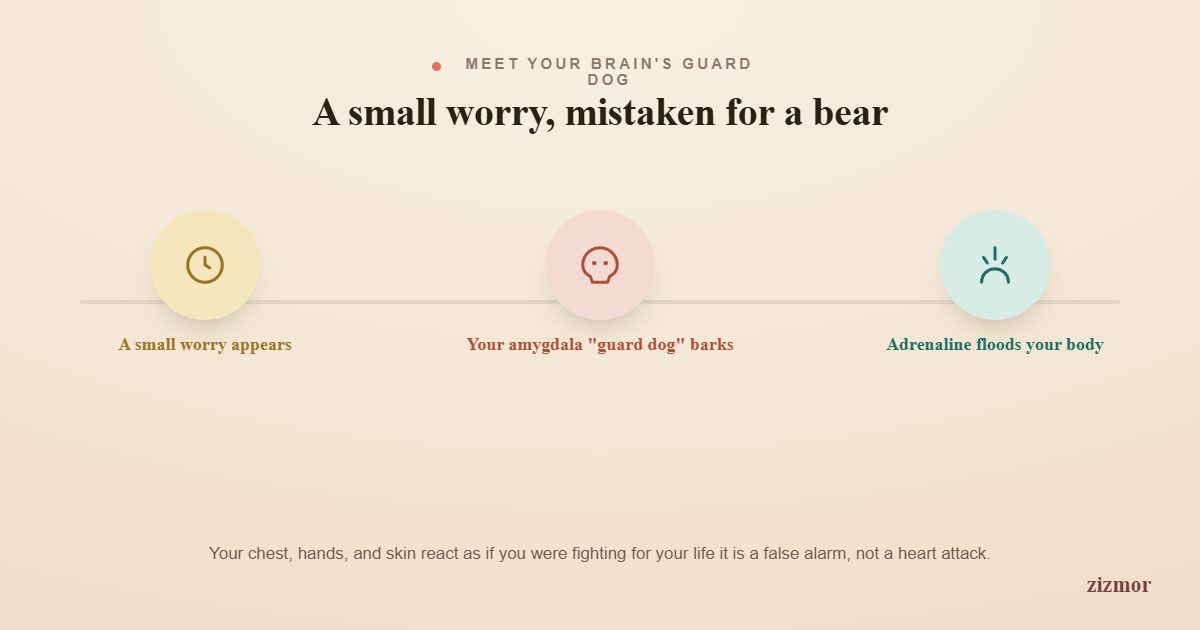
We want to explain how your body works. Your brain has a little guard dog inside. This guard dog is called the amygdala. Its job is to protect you from bad things, like a wild bear. If a bear runs at you, the guard dog barks. It dumps a hormone called adrenaline into your blood. Your heart pumps fast to help you run away.
Sometimes, this guard dog gets confused. It barks when there is no bear. It thinks a small worry is a giant monster. This is a false alarm. Your body reacts as if you are fighting for your life.
Your chest might tighten. You might struggle to catch your breath. When this happens, people often feel panic attack symptoms chest pain. The tight muscles in your chest hurt. This pain makes you worry even more. But the pain is just your muscles squeezing tight. It is not a sign of a broken heart. We want you to remember this truth. Your body is just trying to keep you safe, but it made a silly mistake.
You are not having a heart attack. You are just feeling the adrenaline surge through your body. The adrenaline makes your muscles tense up. It makes your skin feel hot or cold. It can even make your fingers feel numb. All of these feelings are normal when you are scared. They cannot hurt you. They will go away soon.
Is it my heart or my head?
You might worry that your body is failing. You might think you are having a heart attack. This is a very common fear. We want to show you how to tell these two things apart.
A heart issue is a physical emergency in your chest. A panic event is an alarm in your nervous system. They can feel very similar. But they have clear differences.
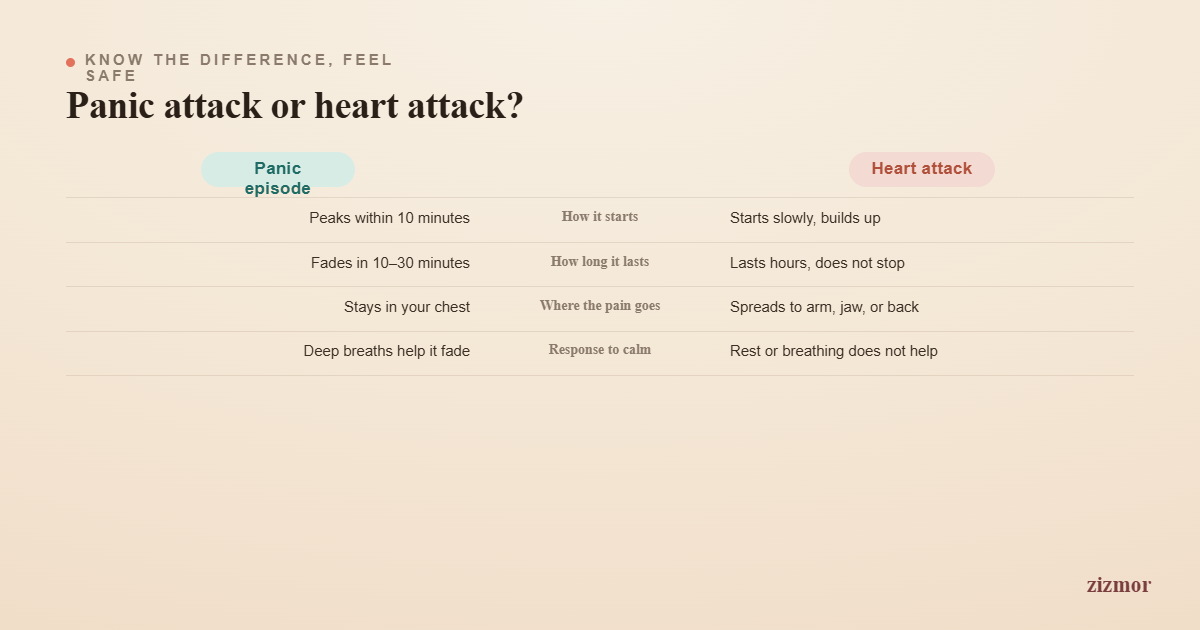
Let us look at a simple panic attack vs heart attack symptoms comparison to help you feel safe.
This table helps us see the truth. If your pain spreads to your arm or jaw, you must seek medical care fast. But if slow breaths make the pain fade, your body is just dealing with panic. We can teach you how to calm your body down. You do not have to live in fear of these feelings.
We know how scary chest pain can be. It makes you feel like you are losing control. But once a doctor tells you your heart is healthy, you can trust that these feelings are safe. They are just waves of energy. They will always pass.
Why do I wake up in terror?
Imagine waking up in the dark. Your heart is racing like a sports car. Your sheets are wet with sweat. You feel a heavy weight on your chest. You ask yourself: what causes panic attacks at night?
This scary event is very real. It can happen as you drift off to sleep. It can happen in the middle of the night.
When you fall asleep, your brain changes how you breathe. Your carbon dioxide levels shift. If your brain is too sensitive, it thinks you are suffocating. It wakes you up to save your life.
Your daily habits play a big role here. We know that sleep keeps your brain healthy. So, can lack of sleep cause panic attacks? Yes, it absolutely can.
When you do not get enough rest, your brain is tired. Your guard dog gets grumpy. It barks at everything. A small shift in your breathing triggers a huge wave of fear.
We want to help you fix this. You must set a sleep schedule. Go to bed at the same time every night. Avoid caffeine and screens before bed. These simple steps will help your brain feel safe during the night.
What is the real difference between anxiety and panic?
People often mix up these terms. They use them as if they are the same thing. But they are very different.
Let us explain the difference between an anxiety attack and panic attack in a simple way.
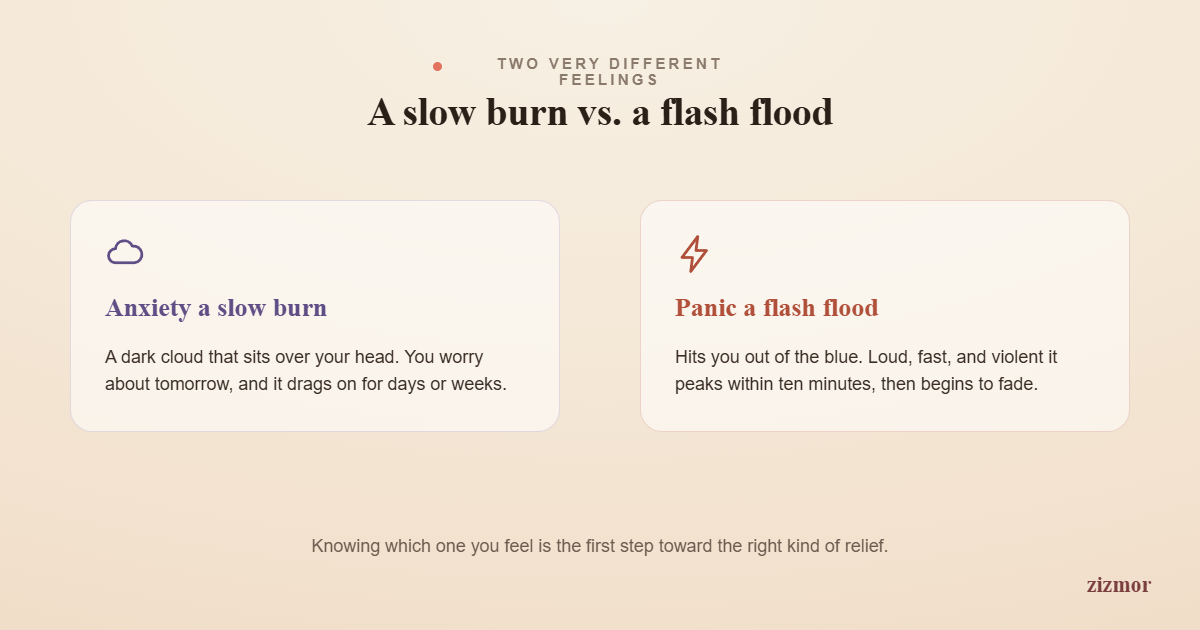
Anxiety is a slow burn. It is like a dark cloud that sits over your head. You worry about tomorrow. Your muscles feel a bit tight. This feeling can drag on for days or weeks.
Panic is a flash flood. It hits you out of the blue. It is loud, fast, and violent. It peaks in just ten minutes and then starts to go away.
When you are living with recurrent panic attacks daily, life feels like a minefield. You never know when the next blast will hit you. You feel like a prisoner in your own home.
You might start to avoid going outside. You might stop driving your car. This makes your world very small. We want to help you break this cycle. You do not have to live this way.
Living with this fear is exhausting. It makes your body feel tired all the time. But we have tools that can free you from this trap.
Your Path to Peace: How to Calm a Panic Attack
When the wave of fear hits you, you must have a plan. You do not have to just sit there and suffer. You can learn how to stop a panic attack naturally.
Let us look at some natural remedies for fast relief from panic attacks.
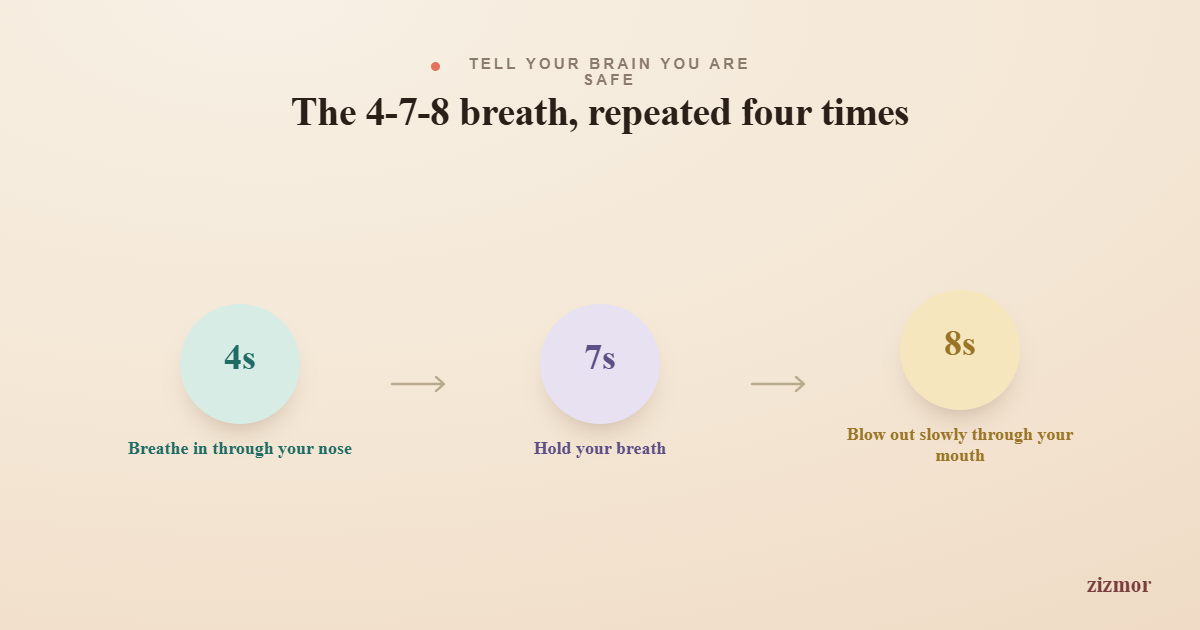
First, change your breathing. Slow it down. We like the 4-7-8 breath. Breathe in through your nose for 4 seconds. Hold your breath for 7 seconds. Blow out slowly through your mouth for 8 seconds. Repeat this cycle four times. This trick tells your brain that you are safe. It slows down your racing heart.
Second, use cold water. Splash cold water on your face. Hold an ice cube in your hand. The cold shock forces your heart to slow down. It breaks the spell of fear. It pulls your mind back to your physical body.
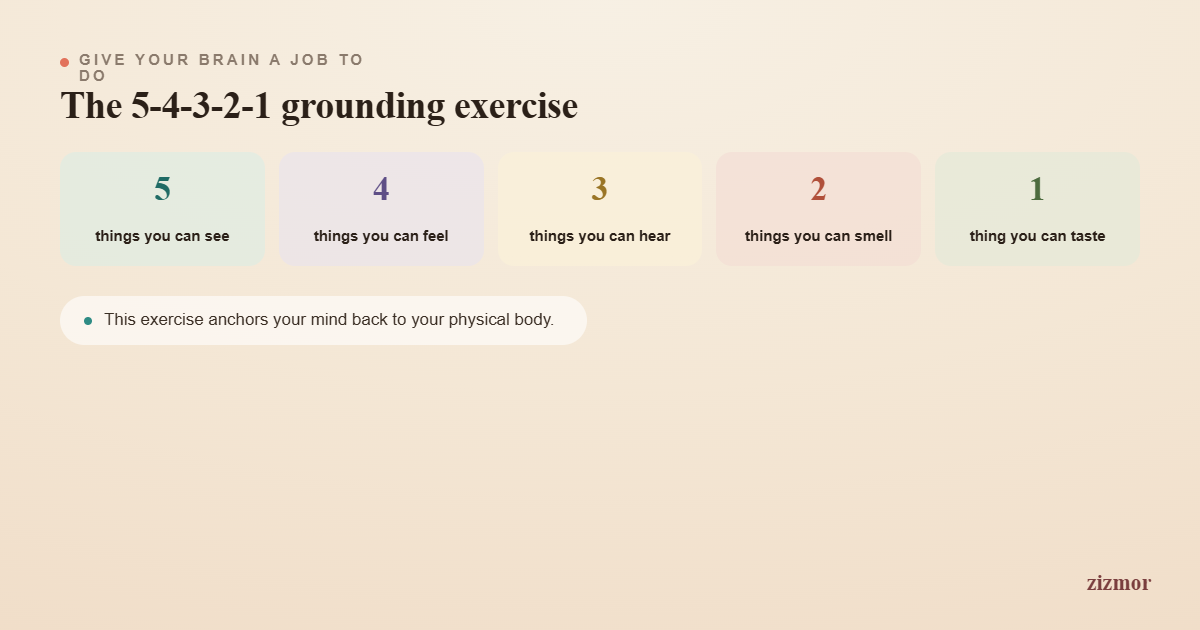
Third, look at your five senses. This is a great grounding exercise. Sit quietly and find these things around you:
- 5 things you can see: a pen, a picture, a tree, or a spot on the wall.
- 4 things you can feel: your feet on the floor, the chair under you, and your clothes on your skin.
- 3 things you can hear: the wind, a passing car, or a clock ticking.
- 2 things you can smell: Smell your coffee, your soap, or the fresh air.
- 1 thing you can taste: a mint, some gum, or just a sip of water.
This exercise gives your brain a job to do. It stops the brain from spinning out of control.
You can also find a good guided meditation for panic attack relief online. Listening to a calm voice can anchor you when the storm is loud. It acts like a rope you can hold onto.
We also suggest using your phone to help you. There are some best apps for managing panic attacks. Apps like Headspace or Medito can teach you how to breathe when you are scared. They are like having a coach in your pocket. They can guide you through the worst of the storm.
How to Stay Calm at Your Desk
Experiencing a panic event in front of your boss is terrifying. You worry that people will think you are weak. You worry you might get fired or look foolish.
But you can use discrete coping mechanisms for panic attacks at work.
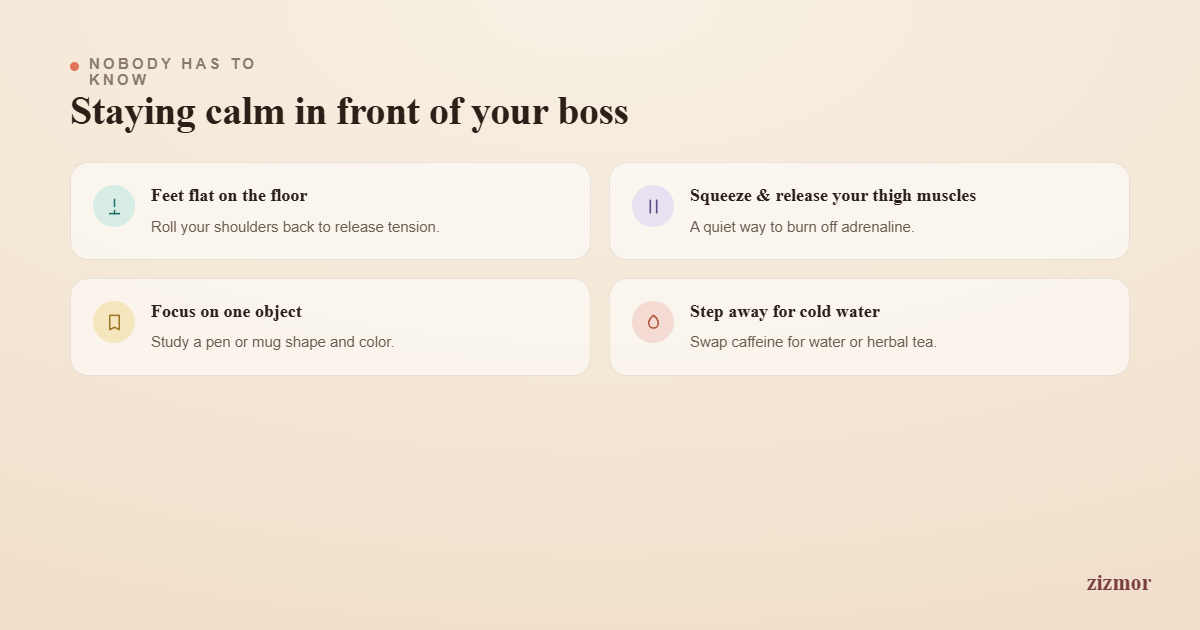
If you feel the panic rising, do not run out of the room. Sit still and place your feet flat on the floor. Roll your shoulders back to let go of tension. Squeeze your thigh muscles tight and then let them go. Focus on a pen or a coffee cup on your desk. Look at its shape and color.
You can also step away to get a glass of cold water. Nobody will know you are calming your nervous system. They will just think you are thirsty.
Avoid too much coffee at work. Caffeine is like fuel for the guard dog in your brain. It makes your heart race, which can trick your brain into panicking. Switch to herbal tea or water to keep your body calm.
How do I tell the people I love?
It is hard to talk about fear. Your loved ones might not understand what is happening to you. They might tell you to just cheer up or stop worrying. This can make you feel very lonely.
We want to teach you how to explain panic attacks to family.
Use simple terms. Tell them your brain has an overactive alarm system. Explain that your body reacts to stress by going into fight-or-flight mode. Let them know it is a physical event, not just "in your head". Tell them it feels like a physical wave that you must ride out.
You also need to teach them how to help someone having a panic attack.
Tell them to stay calm and speak in short, soft sentences. They should not crowd you or yell at you to calm down. They can sit with you and help you count your breaths. Their calm presence helps your body feel safe again. They can hold your hand if you want them to.
Your Path to Long-Term Healing
Grounding tools are great for quick relief. But you must also look at the root of the problem.
There are highly effective therapy options for severe panic attacks.
Cognitive Behavioral Therapy, or CBT, is the best choice. A therapist can help you change your thoughts. They will teach you that the physical feelings of panic are uncomfortable but safe.
Exposure therapy is another great tool. It helps you face the sensations you fear. You might breathe through a straw to practice feeling short of breath. This teaches your brain that you can handle the feeling. It takes away the power of the panic.
We write this guide with the trusted, real-world experience of Dr. Michael J. Zizmor. He is a mental health physician licensed to practice medicine in California (Physician's and Surgeon's License G50848, NPI 1124395421) who has spent over forty years helping people understand their minds. Dr. Zizmor started his path at the University of California, Berkeley, where he earned his undergraduate degree in Psychology.
He then went to the University of Kansas School of Medicine to earn his medical doctorate. He completed his clinical internship at Boston University-affiliated hospitals and began psychiatric residency training at St. Elizabeths Hospital in Washington, DC; he is not board-certified in psychiatry. Dr. Zizmor believes that understanding how your mind works is the first step toward feeling better, and he's here to help you look at the facts clearly.
We have helped thousands of people reclaim their peace. We want to help you too. Our team can design a plan just for you.
A Message of Hope
You do not have to live your life in fear. Every single panic attack has an end. No matter how loud the storm gets inside your mind, your body will eventually calm down.
We are here to support you on this journey. You can learn to breathe easy again. You can walk into crowded rooms with confidence. You can sleep through the night without terror.
Reach out to our office today to start your path to healing. Let us work together to help you reclaim your peace and live the life you deserve. Your journey to a calmer, happier life starts right now.
FAQs
Can you faint from a panic attack?
No. Your blood pressure actually goes up, not down. Fainting is super rare. Do not let this silly fear lock you inside your house. Take a deep breath right now. Call us today to reclaim your brave life.
Can a panic attack kill you?
No. It feels like a giant monster is crushing your life, but it cannot hurt you. Your body is just having a false alarm. Stop letting this fear run your world. Call us now and get your power back.
Do panic attacks cause brain damage?
No. Your brain is totally safe during an attack, even when your thoughts spin out of control. Do not let this worry keep you awake at night. Reach out to our team today and start your journey to peace.
Do children inherit your panic attacks?
Yes. Genetics can make your kids more sensitive to stress. But you can protect them by healing your own mind first. Stop the cycle of fear right now. Call our clinic today to protect your family's future.
Should you drive during panic attacks?
No. Your focus drifts away, making driving dangerous. You must pull over to a safe spot immediately when fear strikes. Do not risk your life. Call our office today so we can help you drive with confidence.