The Transition Era: Navigating Mental Health in Your 20s and 30s

Table of Contents
- Why is Mental Health in Your 20s and 30s Such a Wild Ride?
- Are You Dealing with Quarter-Life Crisis Mental Health Struggles?
- How Can You Stop Coping with Anxiety in Your Mid-20s Using Simple Body Tricks?
- What Causes Relationship Stress and Mental Well-Being to Break Down in Your 20s?
- Why is Financial Stress Impact on Mental Health 20s Growing So Fast?
- What Are the Real Signs of Burnout in Young Professionals 30s?
- How Do You Protect Work-Life Balance Mental Health 30s in an Always-On World?
- How Are Social Media and Mental Health Effects 30s Hurting Your Confidence?
- What Are the Best Self-Care Routines for Busy 30s Professionals?
- How Should You Go About Managing Depression Symptoms in Young Adults?
- Are You Overcoming Imposter Syndrome in Your 20s or Just Feeling Like a Fraud?
- What Are the Best Mental Health Apps for 30-Year-Olds to Stay Grounded?
- Where Can You Find Affordable Therapy Options for Young Adults 20s?
- How Does Dr. Michael J. Zizmor Approach Building Resilience in Early Adulthood?
Right now, your peers are scrolling through feeds of promotions, weddings, and vacations. You feel left behind. You feel like you are failing while everyone else figures it out. But here is the terrifying truth they hide: over 33% of young adults are silently drowning in a mental health crisis. One in three people you see online is struggling. If you do not take action right now, you risk wasting the most important years of your life to chronic worry and exhaustion.
We write this guide with the trusted, real-world experience of Dr. Michael J. Zizmor. He is a mental health physician licensed to practice medicine in California (Physician's and Surgeon's License G50848, NPI 1124395421) who has spent over forty years helping people understand their minds. Dr. Zizmor started his path at the University of California, Berkeley, where he earned his undergraduate degree in Psychology.
He then went to the University of Kansas School of Medicine to earn his medical doctorate. He completed his clinical internship at Boston University-affiliated hospitals and began psychiatric residency training at St. Elizabeths Hospital in Washington, DC; he is not board-certified in psychiatry. Dr. Zizmor believes that understanding how your mind works is the first step toward feeling better, and he's here to help you look at the facts clearly.
Why is Mental Health in Your 20s and 30s Such a Wild Ride?
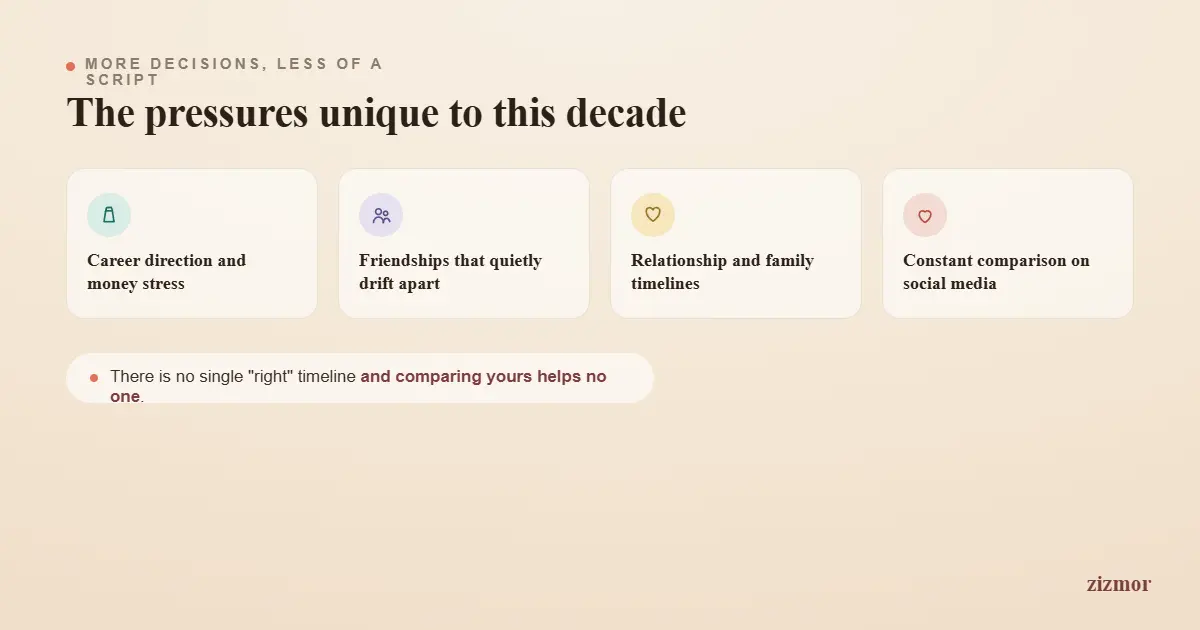
Your brain is still growing. Scientists show that your prefrontal cortex does not finish developing until your mid-20s. This is the part of your brain that makes big decisions and balances emotions. You are expected to choose a career, pay off debt, find a partner, and build a life all at once.
Data shows that 75% of all lifetime mental health issues show up by age 24. Young adults between 18 and 25 have the highest rates of mental illness compared to any other age group. Yet, almost 60% of them receive zero treatment. Many young people normalize their pain as part of the grind. They think everyone feels this way.
We want you to know that chronic suffering is not normal. When you ignore these struggles, your body pays the price. A major study of 6.5 million young adults showed that those with mental health issues are 3 times more likely to have a heart attack or a stroke. Taking care of your mind is a physical medical need, not just a mental luxury.
Are You Dealing with Quarter-Life Crisis Mental Health Struggles?
The quarter-life crisis is real. It is an existential period of doubt, anxiety, and disappointment that hits you in your 20s and early 30s. Research shows that up to 75% of young adults experience this phase. You feel stuck, directionless, and deeply worried about your future.
We find that this crisis divides into two distinct experiences. The first is the locked-out experience. You feel like you cannot get into the adult world. You cannot land a good job, buy a house, or find a partner. This makes you feel rejected and isolated.
The second is the locked-in experience. You got the job, you got the partner, or you bought the house, but you feel trapped. You feel you made the wrong choice and do not know how to escape without ruining your life. Dealing with quarter-life crisis mental health issues requires you to stop comparing your life to others and look at your own needs.
How Can You Stop Coping with Anxiety in Your Mid-20s Using Simple Body Tricks?
Anxiety is not just in your head. It lives in your body. When you are anxious, your heart races, your chest gets tight, and your stomach hurts. These physical signs mean your nervous system is stuck in fight-or-flight mode. Coping with anxiety in your mid-20s requires physical action to calm your body down.
Dr. David Spiegel, a psychiatrist at Stanford, teaches that we can calm our brains from the body up. Instead of trying to think your way out of a panic attack, you can use physical exercises. These tools send instant safety signals to your brain.
We recommend using the physiological sigh. Take two quick breaths through your nose. Keep the first breath deep and the second breath short and fast. Then, let the air out slowly through your mouth. Do this three times. Your heart rate will slow down right away.
PHYSIOLOGICAL SIGH STEP-BY-STEP (DO 3 TIMES)
[ Fast Inhale (Nose) ] ──► [ Extra Quick Inhale ] ──► [ Slow Exhale (Mouth) ]
What Causes Relationship Stress and Mental Well-being in Your 20s to Break Down?
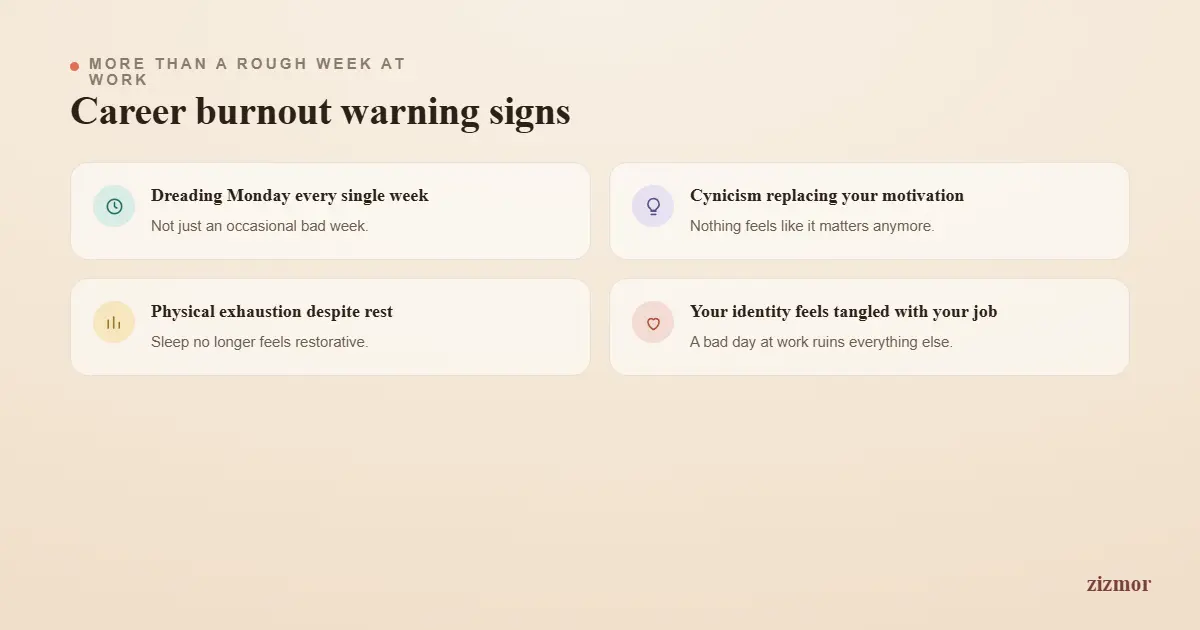
Your relationships directly impact your brain. If your love life is chaotic, your mind will feel chaotic too. Relationship stress and mental well-being in your 20s are closely linked because you are learning how to connect with people as an adult.
Many young adults struggle with attachment issues. If your parents were emotionally unavailable, you might have a dismissive avoidant attachment style. This means you pull away when someone gets close to you. You tell yourself that relying on others is dangerous. You stay distant to protect yourself, but this distance makes you lonely.
We can help you change these patterns. You can practice sharing small, honest feelings with your partner. If you feel overwhelmed, do not just disappear. Tell them you need a short break and will return. This builds trust and keeps your mind stable.
Why is Financial Stress Impact on Mental Health 20s Growing So Fast?
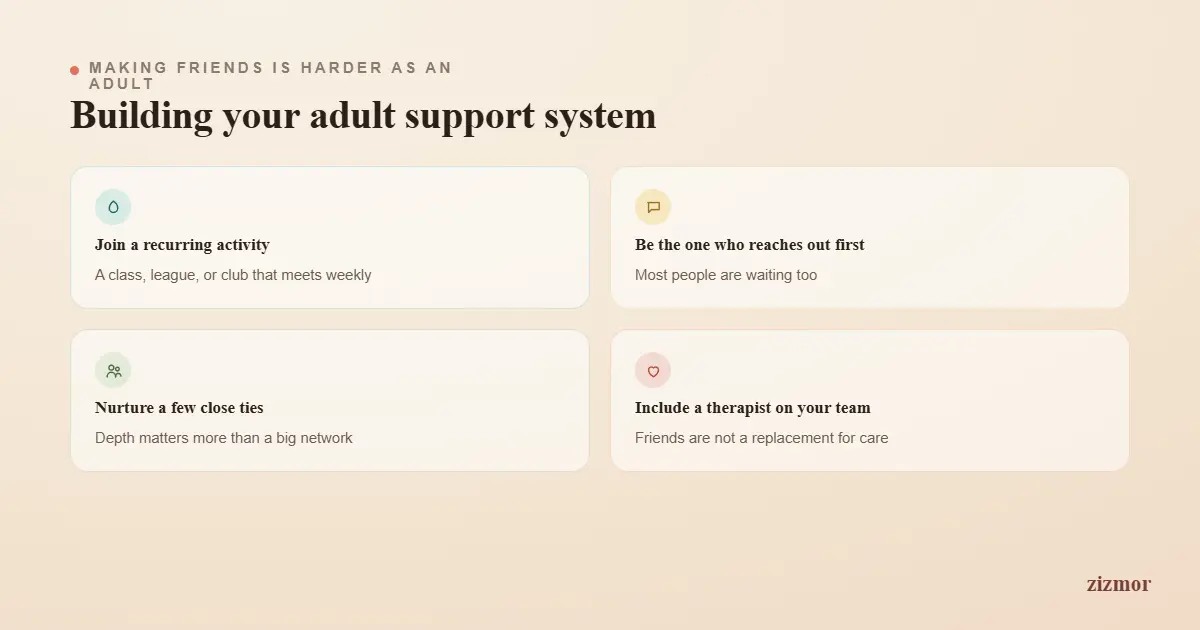
Money worries can make you sick. Rent is high, groceries are expensive, and student loans are heavy. Harvard researchers found that over 56% of young adults feel constant stress about money. This is not just a financial problem. It is a medical crisis.
Financial stress impact on mental health 20s can trigger chronic physical pain. When you worry about paying rent, your body keeps releasing cortisol. This hormone ruins your sleep, weakens your immune system, and causes chronic exhaustion.
We want you to treat financial worry as a physical stressor. Do not stay up all night looking at your bank account. Set a budget once a week, then close the app. Get outside for a free walk to lower your cortisol levels.
What Are the Real Signs of Burnout in Young Professionals 30s?
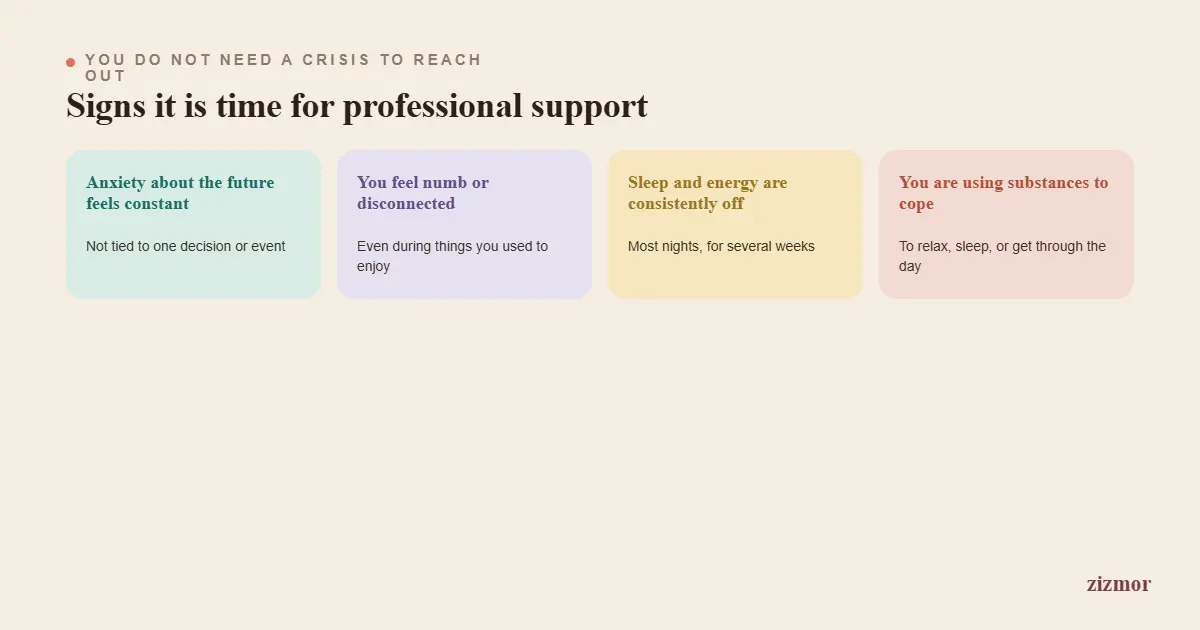
You are exhausted. You wake up on Monday morning and feel like you cannot face the day. You are not just tired. You are burnt out. The signs of burnout in young professionals in their 30s include deep physical drain, feeling negative about your job, and feeling like you cannot do anything right.
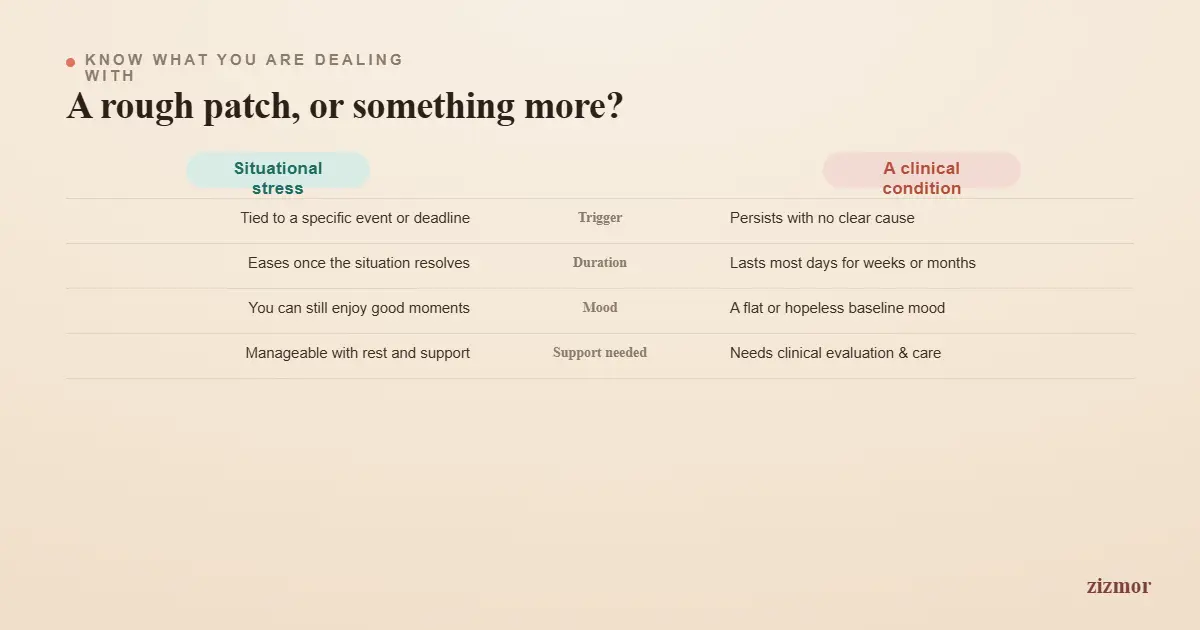
Many people confuse burnout with depression. Burnout is directly tied to your work environment. If you leave your job or take a long break, the exhaustion goes away. Depression is different. It is a heavy cloud that follows you everywhere, even when you are on vacation.
We want you to spot these differences. If you are burnt out, you need to change your workload, not just sleep more. If you are depressed, you need professional mental healthcare.
How Do You Protect Work-Life Balance Mental Health 30s in an Always-On World?
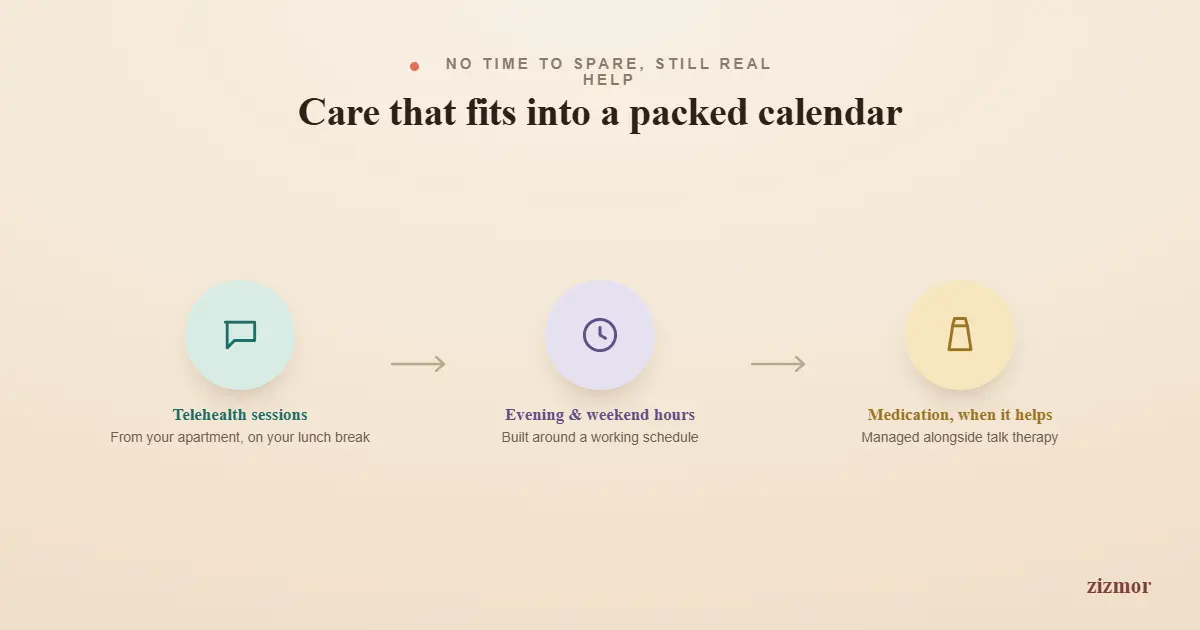
Your phone is a portable office. It keeps you connected to your boss, your emails, and your projects all day and night. This constant access is ruining your peace. Protecting work-life balance and mental health 30s requires you to build physical walls between your job and your life.
Young workers feel pressured to prove themselves. They work long hours and reply to messages instantly. This behavior causes chronic exhaustion.
We advise you to set clear limits. Turn off your work notifications at 6 PM. Do not check your email on the weekend. If your boss asks you to take on more work when you are already full, say no. Protecting your time is a medical necessity.
How Are Social Media and Mental Health Effects 30s Hurting Your Confidence?
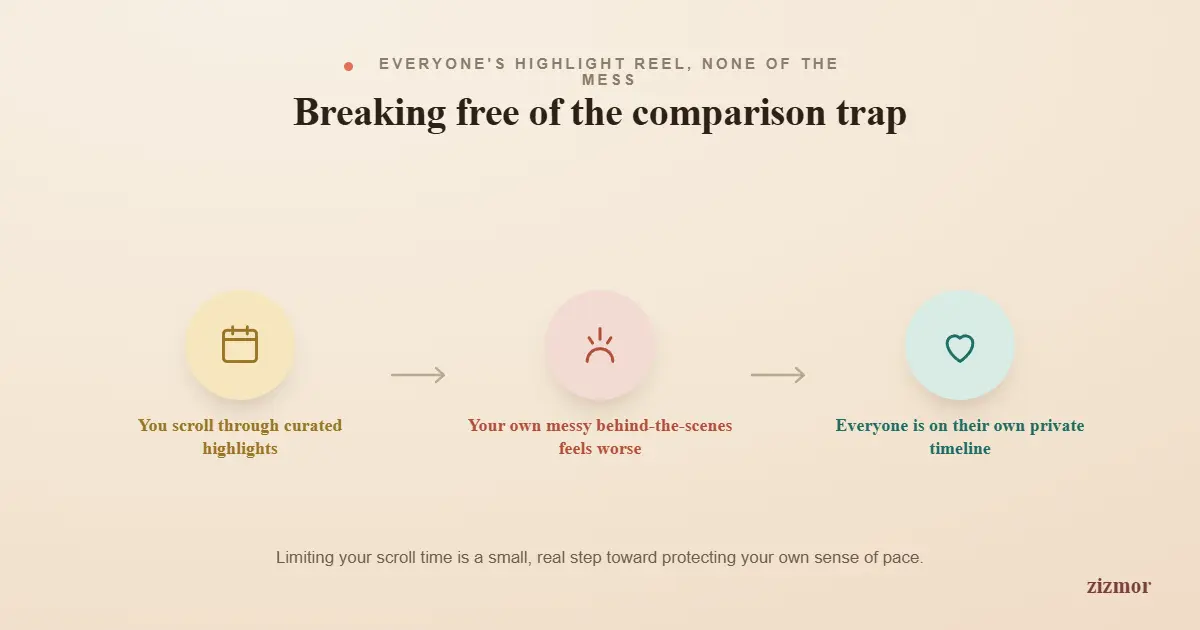
You are comparing your real life to everyone else’s highlight reel. You see people getting promoted, buying houses, and having kids. This creates a massive sense of failure. The social media and mental health effects 30s focus heavily on the pain of feeling left behind.
This comparison is toxic. People only post their best moments. They do not post their credit card debt, their fights, or their panic attacks. When you compare your raw life to their edited photos, you feel hopeless.
We want you to take your time back. Put a daily limit on your social media apps. If an account makes you feel bad about your life, unfollow it immediately. Spend your time talking to real friends face-to-face.
What Are the Best Self-Care Routines for Busy 30s Professionals?
You do not have time for a spa day. You have jobs, families, chores, and bills. Self-care routines for busy 30s professionals must be fast, easy, and medically useful.
We recommend a simple, daily restorative routine. You can complete these tasks in less than thirty minutes total. They focus on physical actions that protect your brain.
- Morning Sunlight: Get outside for ten minutes right after you wake up to align your sleep hormone cycles.
- The Vagus Nerve Stretch: Spend five minutes stretching your neck and back to calm your heart rate.
- A Screen-Free Bedroom: Keep your phone out of your bed to get deep, restorative sleep.
How Should You Go About Managing Depression Symptoms in Young Adults?
Depression is not just feeling sad. It can show up as anger, fatigue, brain fog, and chronic physical pain. If you find yourself snapping at your friends, sleeping for ten hours but still feeling exhausted, or losing interest in things you used to love, you are likely managing depression symptoms in young adults.
We want you to know that depression is highly treatable. Cognitive Behavioral Therapy (CBT) is one of the best ways to heal. CBT teaches you to spot the negative thoughts that tell you that you are a failure.
A CBT therapist helps you test these thoughts. If your brain says, “You will never succeed,” we look at the real facts. We break down the big lies your brain tells you when you are low.
Are You Overcoming Imposter Syndrome in Career 20s or Just Feeling Like a Fraud?
You got the job, but you are terrified. You think they made a mistake. You believe that everyone will find out you do not know what you are doing. Overcoming imposter syndrome in career 20s is a major challenge for ambitious young people.
This self-doubt is very common during big life transitions. When you start a new career, everything is unfamiliar. Your brain interprets this learning curve as proof that you are a fraud.
We want you to keep a “wins folder.” Save every nice email from your boss. Write down every project you finish successfully. When your brain tells you that you are failing, open that folder and read the actual facts.
WINS FOLDER ROUTINE (DO ONCE A WEEK)
[ Spot Self-Doubt ] ──► [ Open Your Wins Folder ] ──► [ Read Actual Facts ]
What Are the Best Mental Health Apps for 30 Year Olds to Stay Grounded?
You can use your phone to heal, not just scroll. When you are busy, having tools in your pocket is highly helpful. The best mental health apps for 30 year olds focus on daily stress control and calming exercises.
We recommend apps that have strong medical backing. Do not waste time on apps that do not have real science behind them.
- Reveri: This app teaches you clinical self-hypnosis for fast stress control. It was built by a Stanford psychiatrist.
- Calm: This app provides simple, daily breathing guides that slow down your nervous system.
- Headspace: This app is excellent for learning basic meditation in short, five-minute sessions.
Where Can You Find Affordable Therapy Options for Young Adults 20s?
Therapy can be expensive. Many young adults do not have good insurance or extra cash. Finding affordable therapy options for young adults in their 20s is necessary to get the help you need without adding financial stress.
We want you to know how to navigate the healthcare system. You have several low-cost options:
- Sliding-Scale Therapists: Many therapists lower their fees based on your weekly income.
- University Clinics: Psychology departments often provide very cheap therapy sessions with graduate students supervised by licensed professors.
- Community Clinics: Local government clinics offer low-cost or free therapy based on your neighborhood.
How Does Dr. Michael J. Zizmor Approach Building Resilience in Early Adulthood?
Resilience is not something you are born with. It is something you build. Building resilience in early adulthood requires you to take care of both your mind and your physical body.
Dr. Michael J. Zizmor uses a comprehensive medical-psychiatric approach. We do not just look at your thoughts. We look at your whole body.
Before we diagnose you with a chronic mental health issue, we want you to get a full physical exam from your primary doctor. This is a clinical necessity. Several common physical issues can look exactly like anxiety or depression:
- Thyroid Problems: An underactive or overactive thyroid can ruin your energy and cause severe mood swings.
- Vitamin Deficiencies: Low levels of Vitamin D or Vitamin B12 can cause deep fatigue, brain fog, and low mood.
- Hormone Imbalances: Shifting hormone levels can make you feel highly emotional and anxious.
By checking these physical factors with a standard blood test, you can get the right care. Combining physical medical checks with active therapy is the best way to heal.
Taking care of your mental health in your 20s and 30s sets the path for the rest of your life. Do not wait until you are completely broken to seek help. Start building your emotional strength today.
FAQs
Does sleep affect young adult panic attacks?
Yes. Ruining your sleep triggers sudden panic. Your brain lacks the strength to fight off fear when you starve it of rest. Stop scrolling late at night. Turn off your phone right now. Protect your mind and sleep tonight.
Can loneliness cause actual heart problems?
Yes. Chronic isolation damages your blood vessels and raises your blood pressure. This silent pain physically hurts your heart over time. You must stop hiding from the world. Call a close friend today. We can help you reconnect.
Does gut health impact your mood?
Yes. Your gut makes most of your happy brain chemicals. Feeding your body junk foods directly fuels your daily sadness and anxiety. Stop poisoning your system. Eat a fresh, clean meal today. Protect your stomach to heal your mind.
Can social media worsen job burnout?
Yes. Watching other people succeed online drains your mental battery. This toxic comparison makes your hard work feel completely useless. Stop feeding this anxiety spiral. Block stressful apps on your phone right now. Protect your focus and rebuild your energy.
Should you get blood tests for depression?
Yes. Hidden physical issues like low vitamins can ruin your mood. You might be fighting a biological disease instead of a mental block. Stop guessing about your health. Schedule a comprehensive doctor visit today to test your blood.